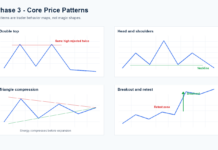











This client education note is part of an eight-phase framework for understanding indicators and price patterns. It is designed to help investors read charts with more structure, discipline, and risk awareness.
Executive Context
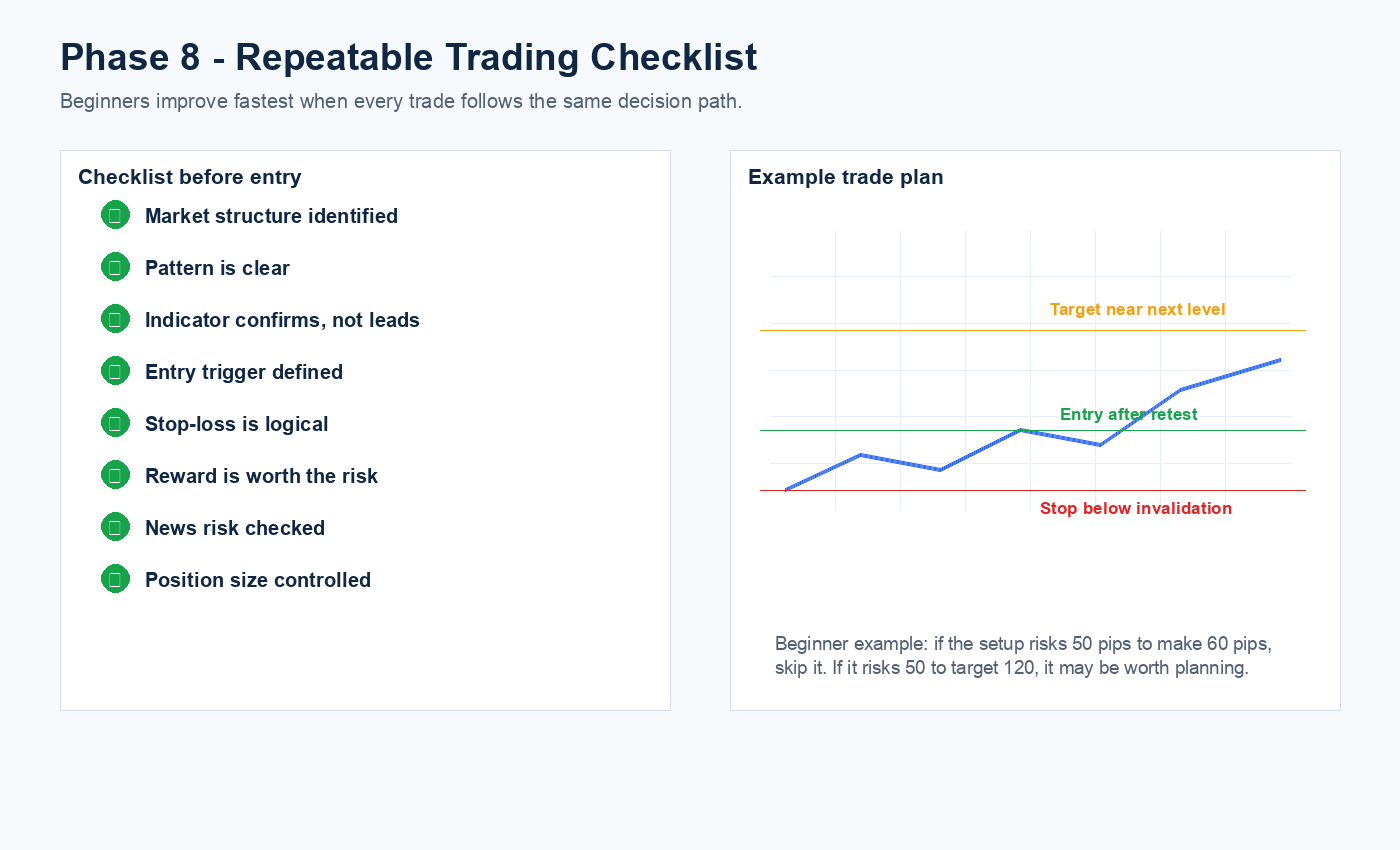
A checklist converts analysis into a repeatable process. This is where professional discipline separates itself from chart watching. The objective is not to win every trade; it is to make decisions that are consistent, reviewable, and aligned with defined risk.
For clients, the value of a checklist is transparency. It shows why a trade idea qualifies, where it is wrong, and how the outcome should be evaluated afterward.
The Checklist
- Market condition: trending, ranging, breaking out, or unclear.
- Key level: the support, resistance, or zone where the decision matters.
- Confirmation: candle, pattern, indicator, or momentum evidence.
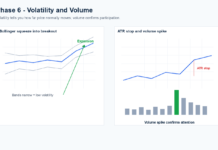
- Volatility: stop and target distances appropriate for current movement.
- Risk: position size defined before entry.
- Invalidation: the price action that proves the idea wrong.
- Review: record whether the process was followed, not only whether the outcome was profitable.
Beginner Example
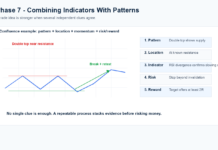
Before entering a GBPUSD idea, an investor might write: trend is upward, price is testing prior support, the rejection candle confirms demand, RSI remains constructive, ATR supports the planned stop, and invalidation is a close below support. This turns a chart opinion into a defined decision.
Client Takeaway
A repeatable checklist makes technical analysis accountable. It does not remove uncertainty, but it forces every idea to meet the same standard before risk is taken.
This material is provided for education and market understanding only. It is not personal investment advice, a recommendation to trade, or a guarantee of future performance.
Previous: Phase 7 – Combining Evidence
NEHCap System Highlight
We run three brilliant specialist systems: HFT_FIX, a FIX-engine high-frequency FX model built for execution speed; NEDEX, an arbitrage framework designed to capture short-lived pricing inefficiencies; and CREST, a high-speed support/resistance trend system focused on fast structural shifts.
Together, they give clients three distinct research engines: speed, arbitrage intelligence, and structure-led trend participation.
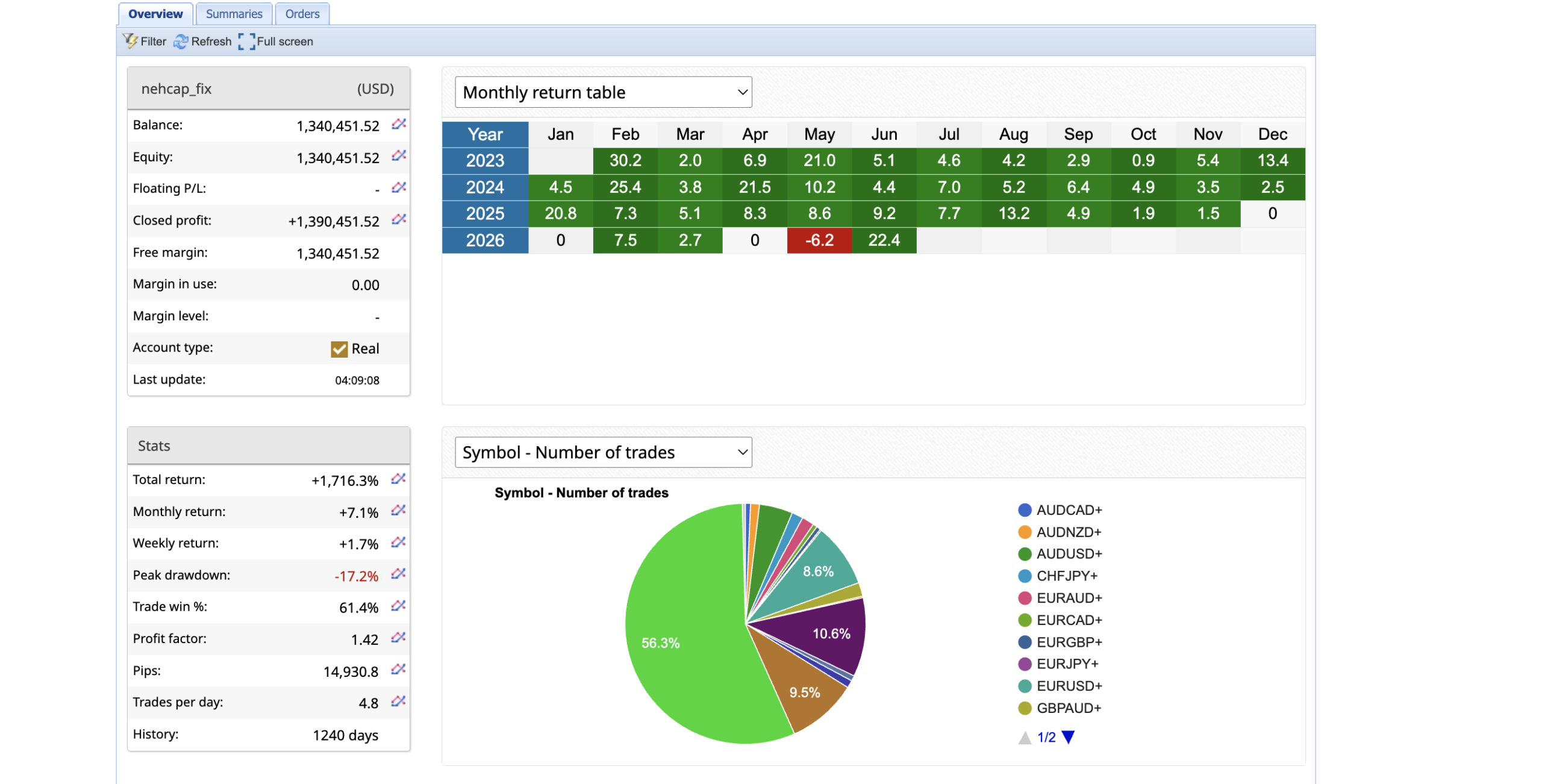
HFT_FIX live account: View verified FXBlue tracking
Contact: Contact NEHCap | Telegram: @mqlnehcap | t.me/nehcapmeta
Past performance is not a guarantee of future results. Trading involves risk and should be assessed against each client's objectives and tolerance.