










Trend Is A Market Condition
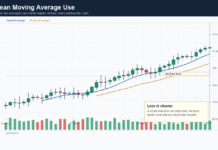
Trend trading is based on the principle that directional movement can persist longer than expected. A trend is not defined by one strong candle. It is defined by structure: higher highs and higher lows in an uptrend, or lower highs and lower lows in a downtrend.
A professional trend strategy avoids fighting the dominant direction without evidence. Counter-trend trades can work, but they require stricter confirmation because they move against the prevailing regime.
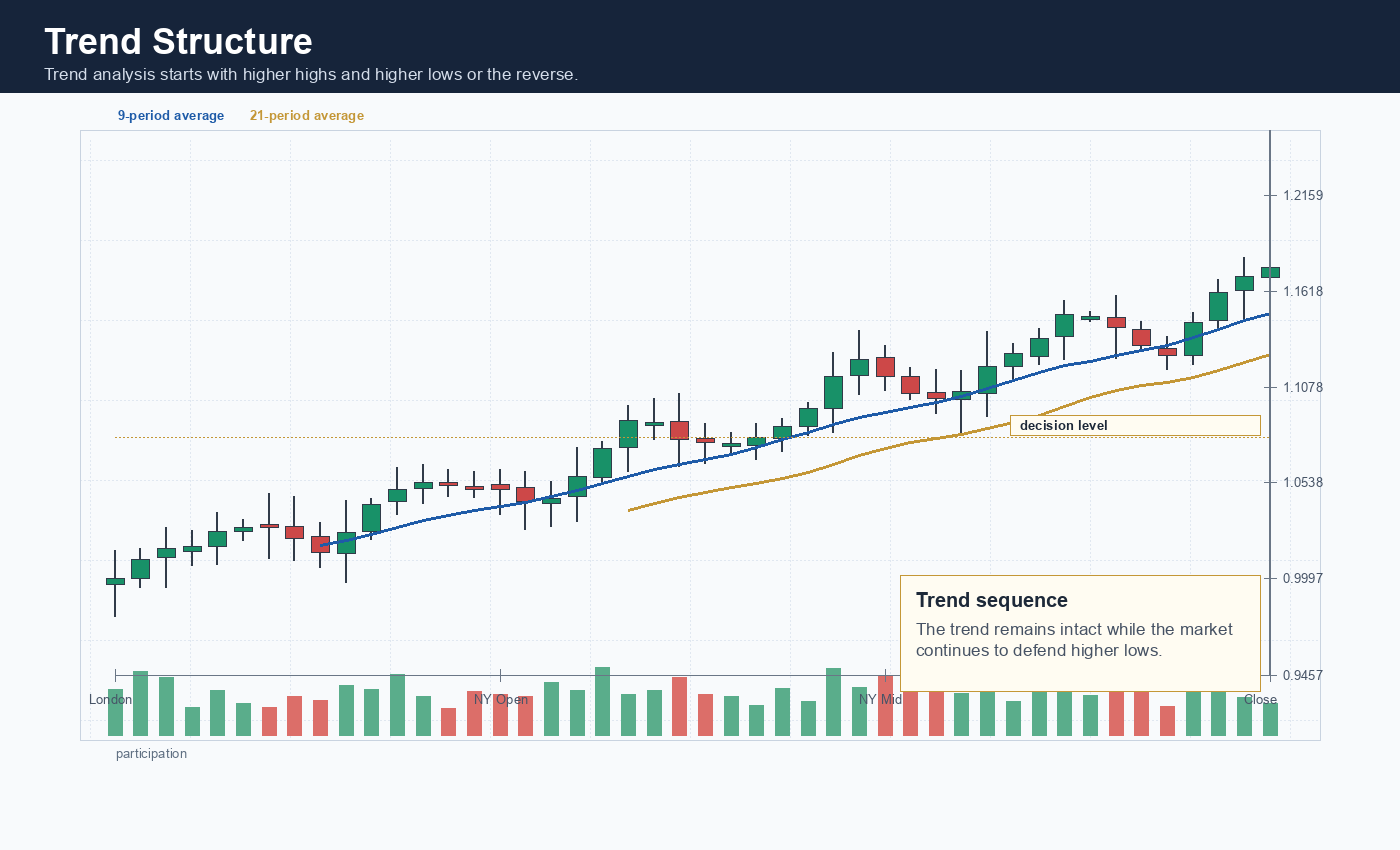
The Pullback Model
Many trend trades are built around pullbacks. In an uptrend, price advances, pauses, pulls back, and then tests whether buyers defend a higher low. If that higher low holds, the trend remains intact. If it breaks, the market may be transitioning.
The advantage of pullback trading is location. Entering after a trend has already extended can create poor risk-reward. Entering near a defended higher low can make the invalidation point clearer.
Continue the framework: The next section shows how trend structure is converted into an operating bias, so trade selection follows market direction rather than impulse.
A verification link is sent by email before access is unlocked.
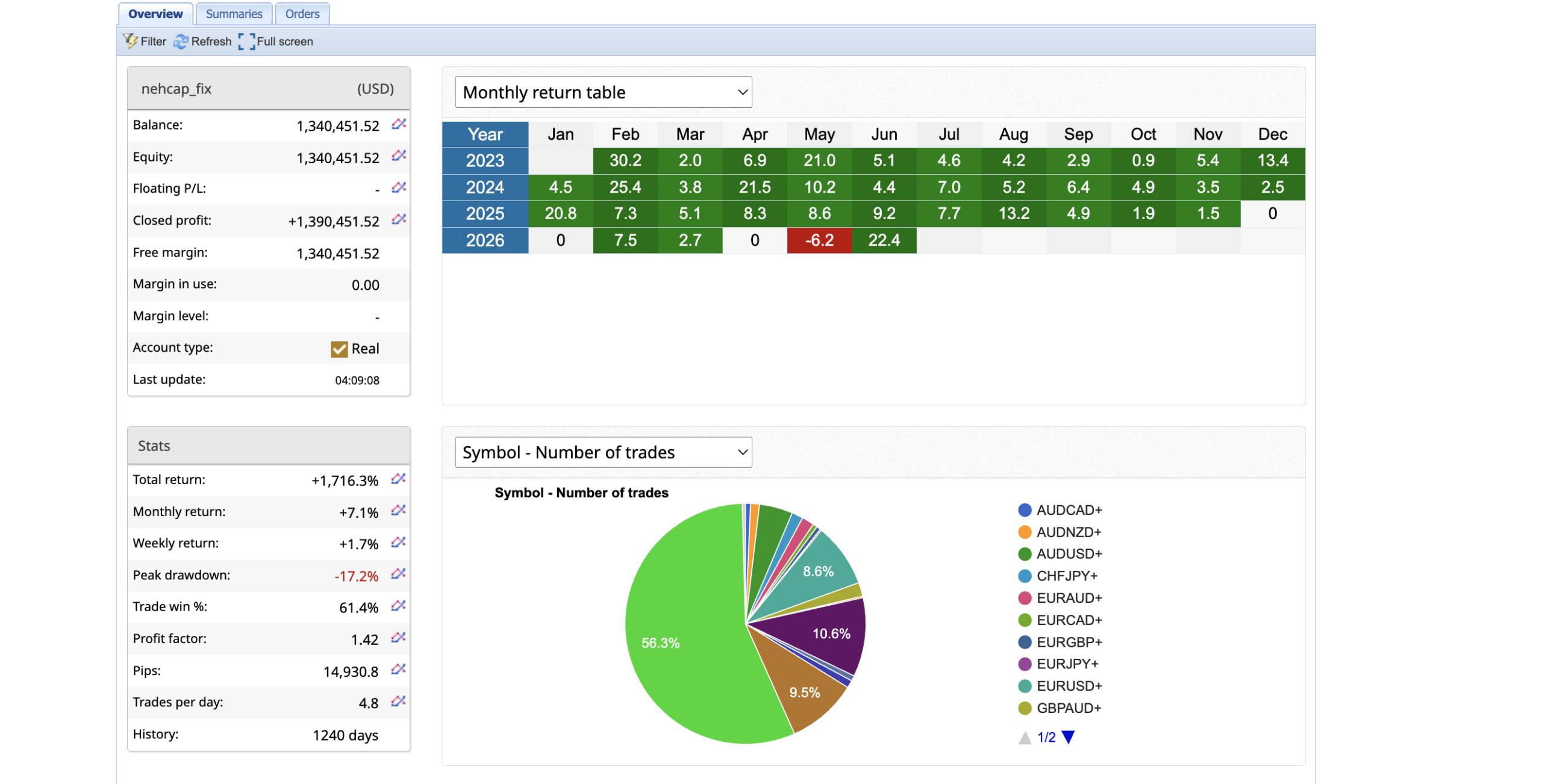
NEHCap operates three live trading frameworks across high-frequency FX, arbitrage execution and high-speed trend systems:
- HFT_FIX – FIX-engine high-frequency FX model, with the latest performance snapshot shown here.
- NEDEX – masked arbitrage framework designed for short-lived pricing inefficiencies; available for MT4, MT5 and FIX API discussion.
- CREST – high-speed support/resistance trend-burst system; available for MT4, MT5 and FIX API discussion.
Contact NEHCap or message Telegram: @mqlnehcap / t.me/nehcapmeta.
This material is provided for education and market understanding only. It is not personal investment advice, a recommendation to trade, or a guarantee of future performance.